A fence is a line drawn in cedar — and a good one stays straight long after the crew has gone home.
Around the Tri-Cities, you can read a fence at a glance. Some lean a little more every winter, posts heaving in the wet ground, boards cupping and greying out of true. Others sit dead level years on — sighting down them from the corner, the top cap runs flat as a ruled line. The difference isn't the cedar. It's how the thing was set in the ground.
QS Fencing Ltd. works the second way. The parts nobody sees — the depth of the post hole, the concrete around the base, the rails levelled before a single board goes on — are where the years are won or lost. Get those right and the visible fence is the easy part.
“If the posts are set right, the rest of the fence is easy.”
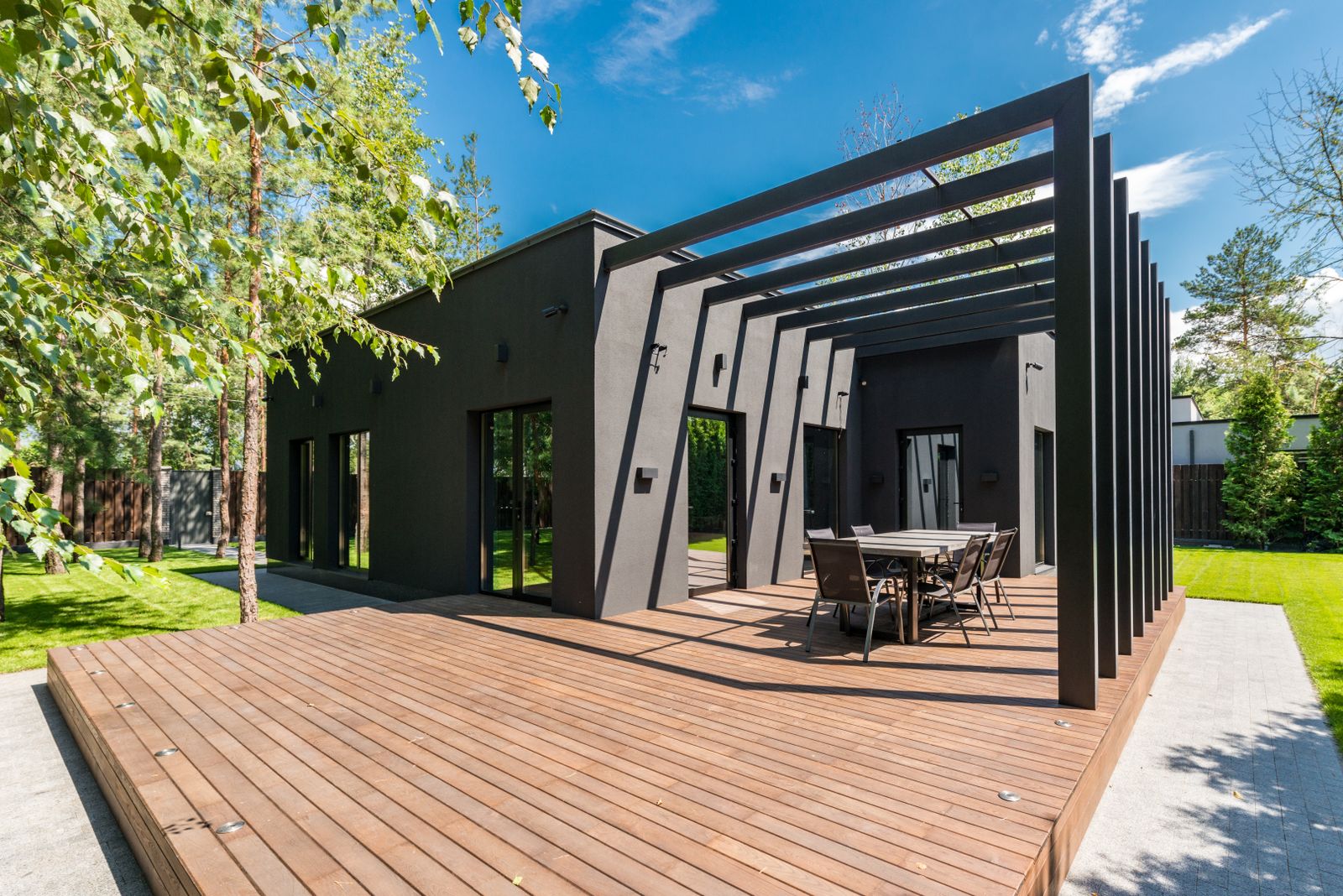
Western red cedar is the wood the Coast is built on: naturally rot-resistant, stable through the wet coastal winters, and it ages to a soft silver-grey instead of warping and splitting like cheaper lumber. Built right, a cedar fence outlasts the people who put it up — and a cedar deck becomes the place the backyard actually gets used.
Lay the line
String the run, mark the posts, and call before we dig. The line decides everything that follows.
Set the posts
Dug deep, plumbed, and set in concrete so they stand straight through the freeze and thaw.
Rails & frame
Level rails fixed post to post — the bones of the fence, squared before a board goes up.
Boards, gates & deck
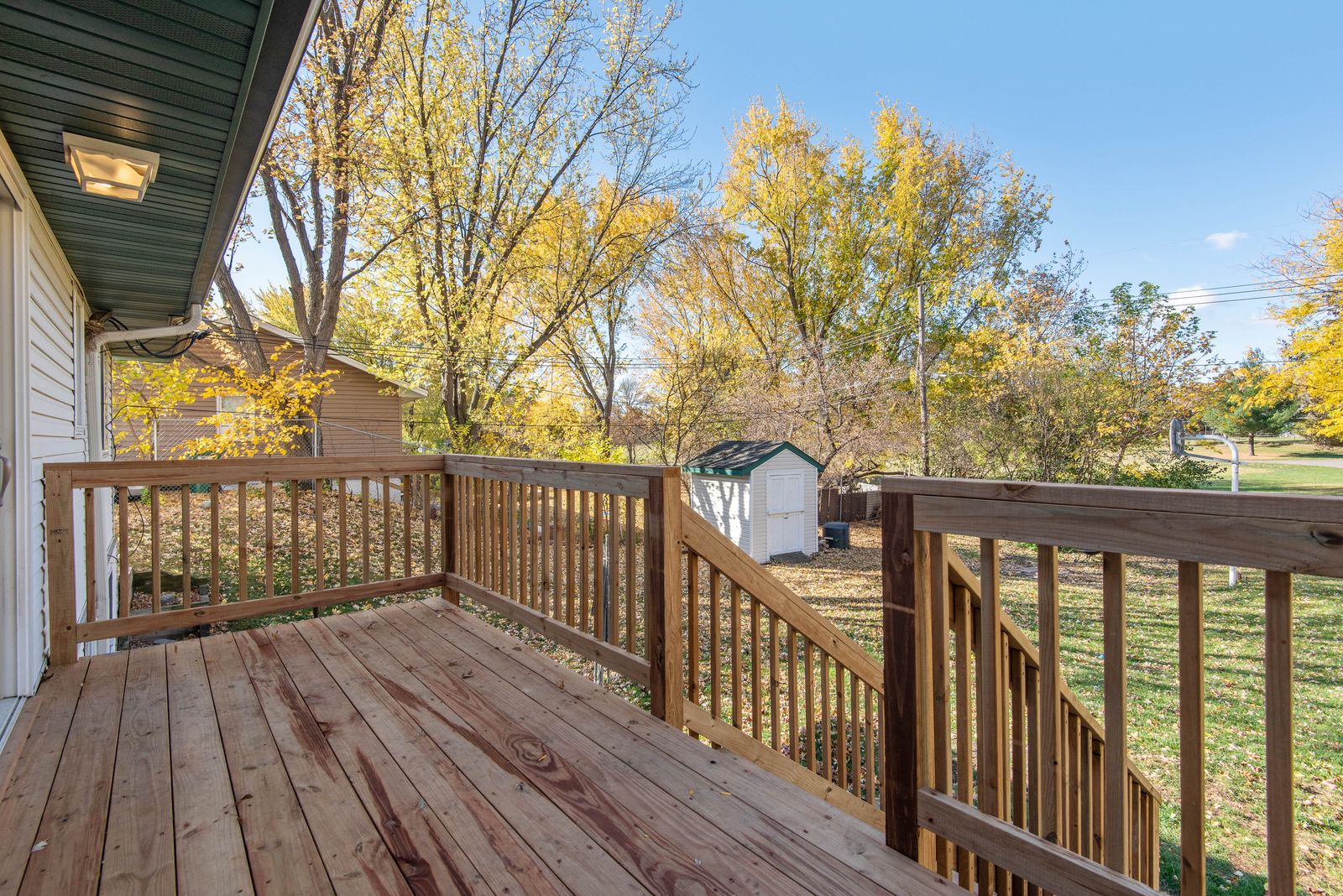
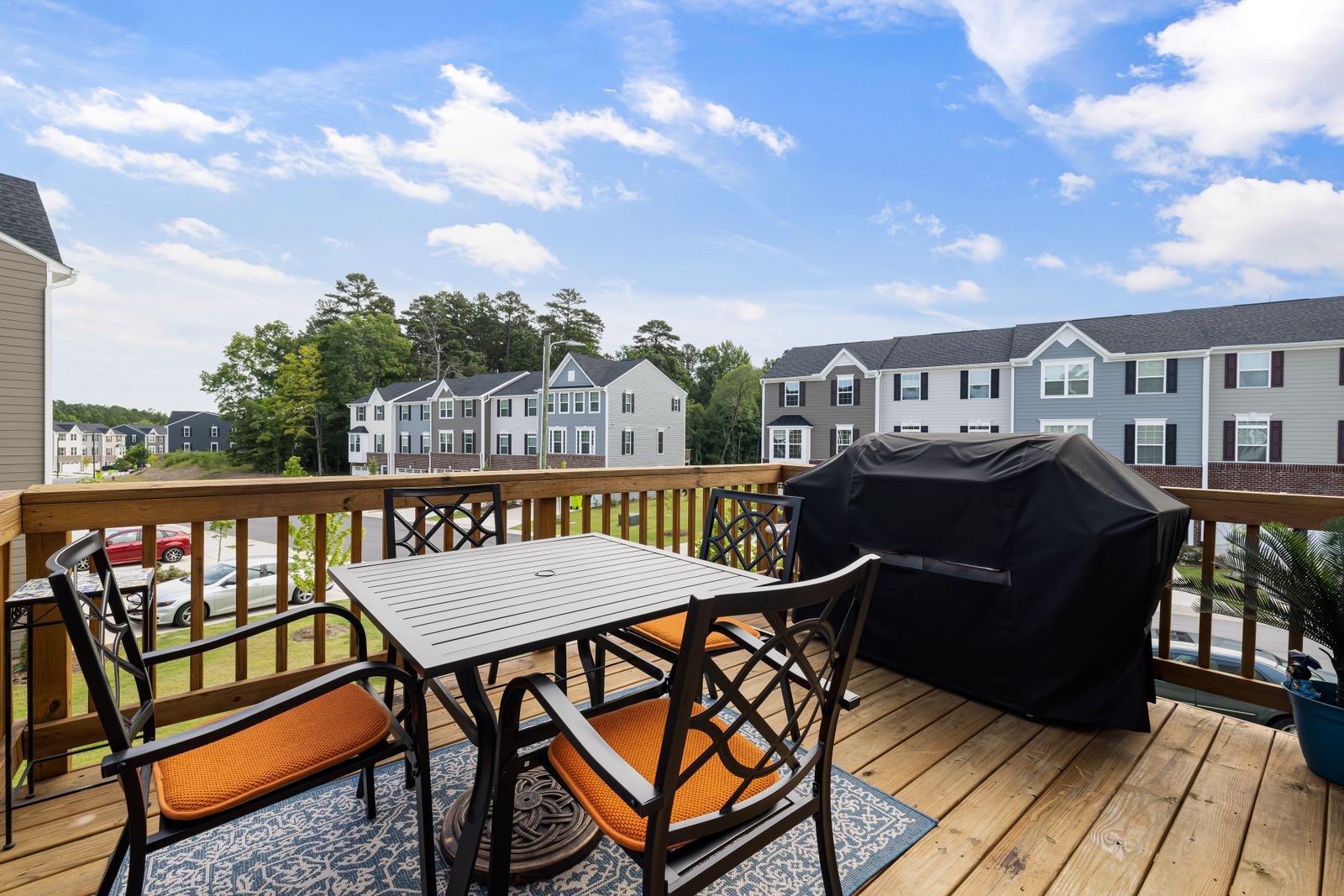
Cedar boards spaced even to breathe; gates hung to swing true; decks laid flat to sit level.
Cap & clean
Top cap, trim, and the site swept clean before we leave. A finished fence, not a half-finished one.
All stock placeholders — the real crew would supply its own jobsite photography before launch.