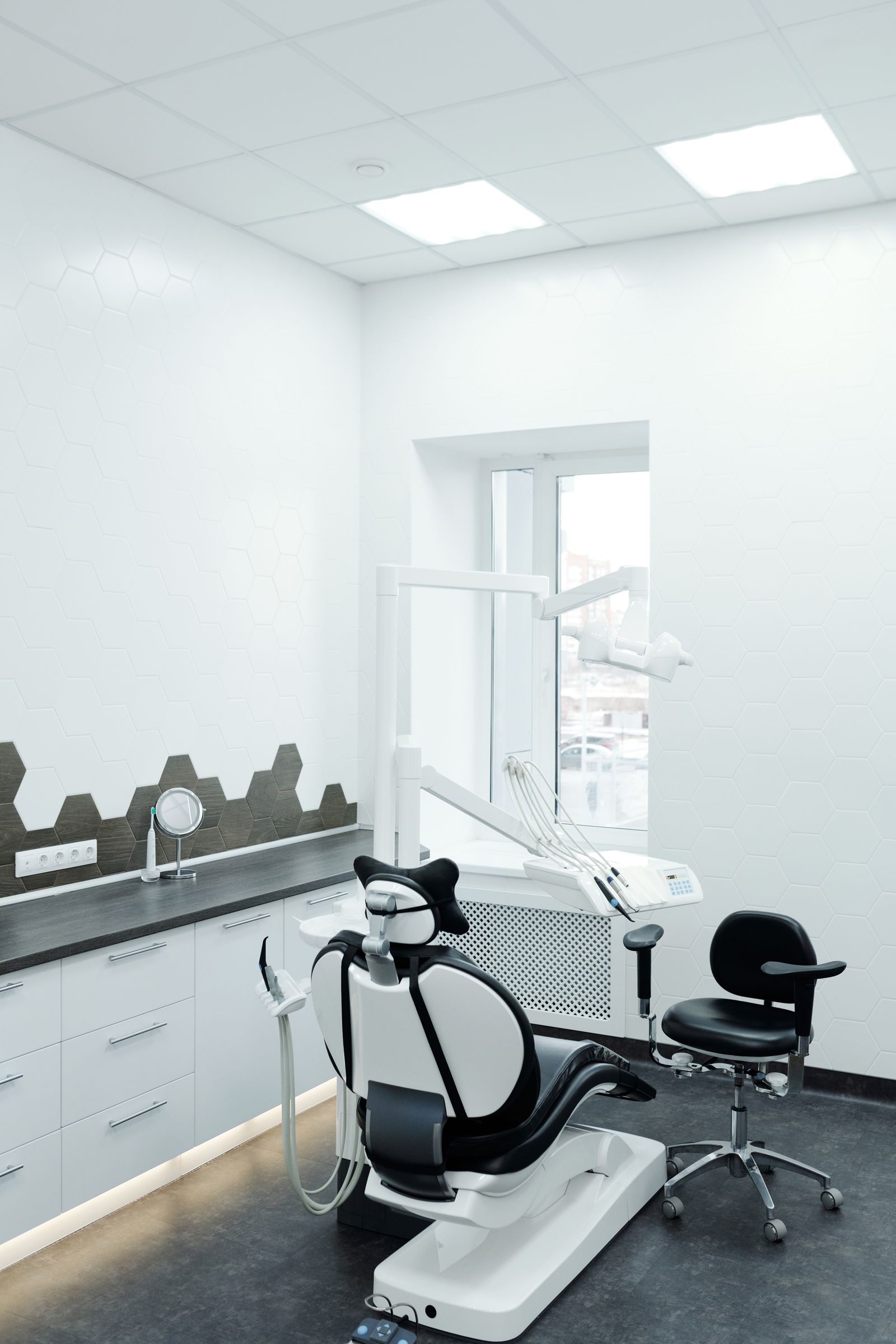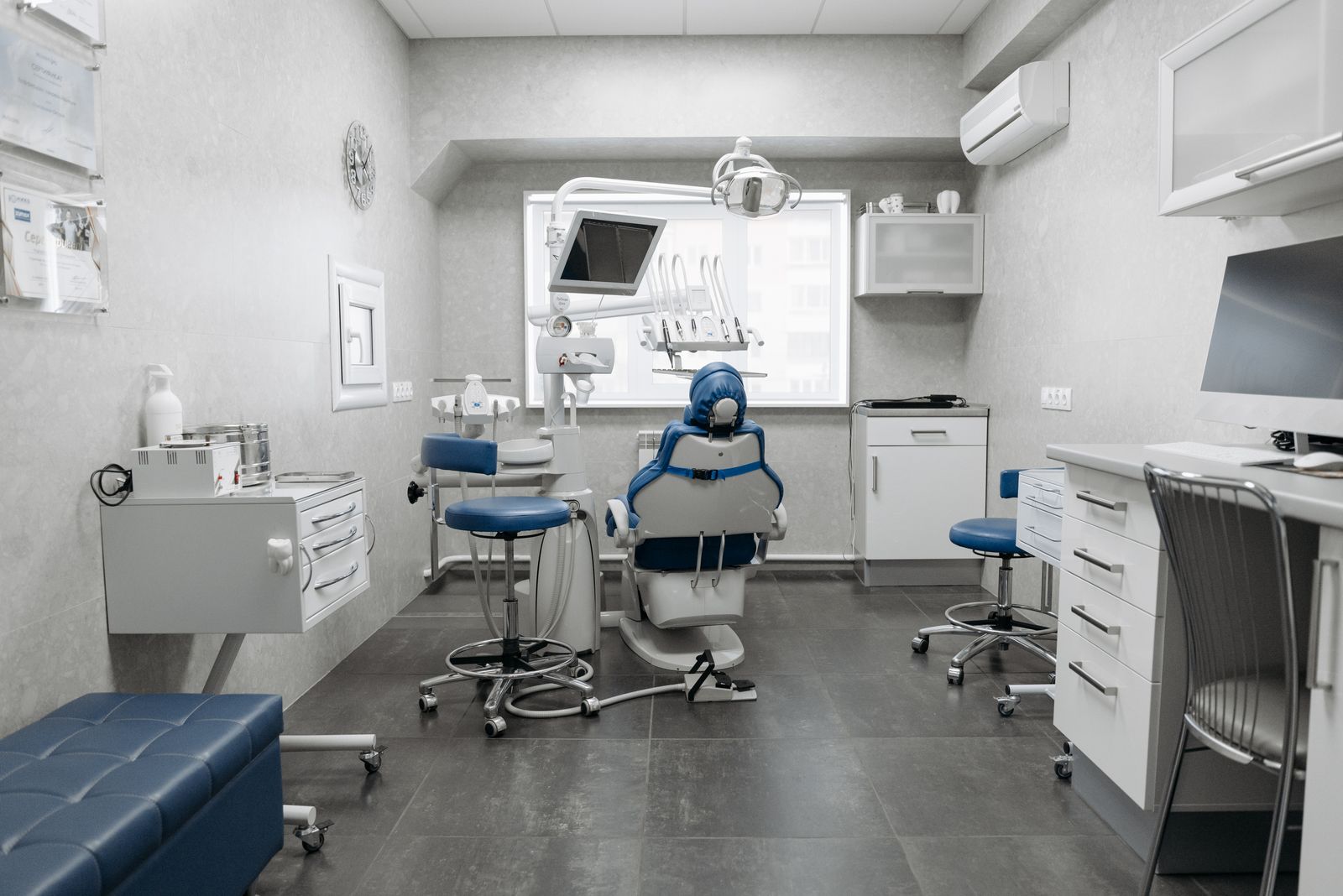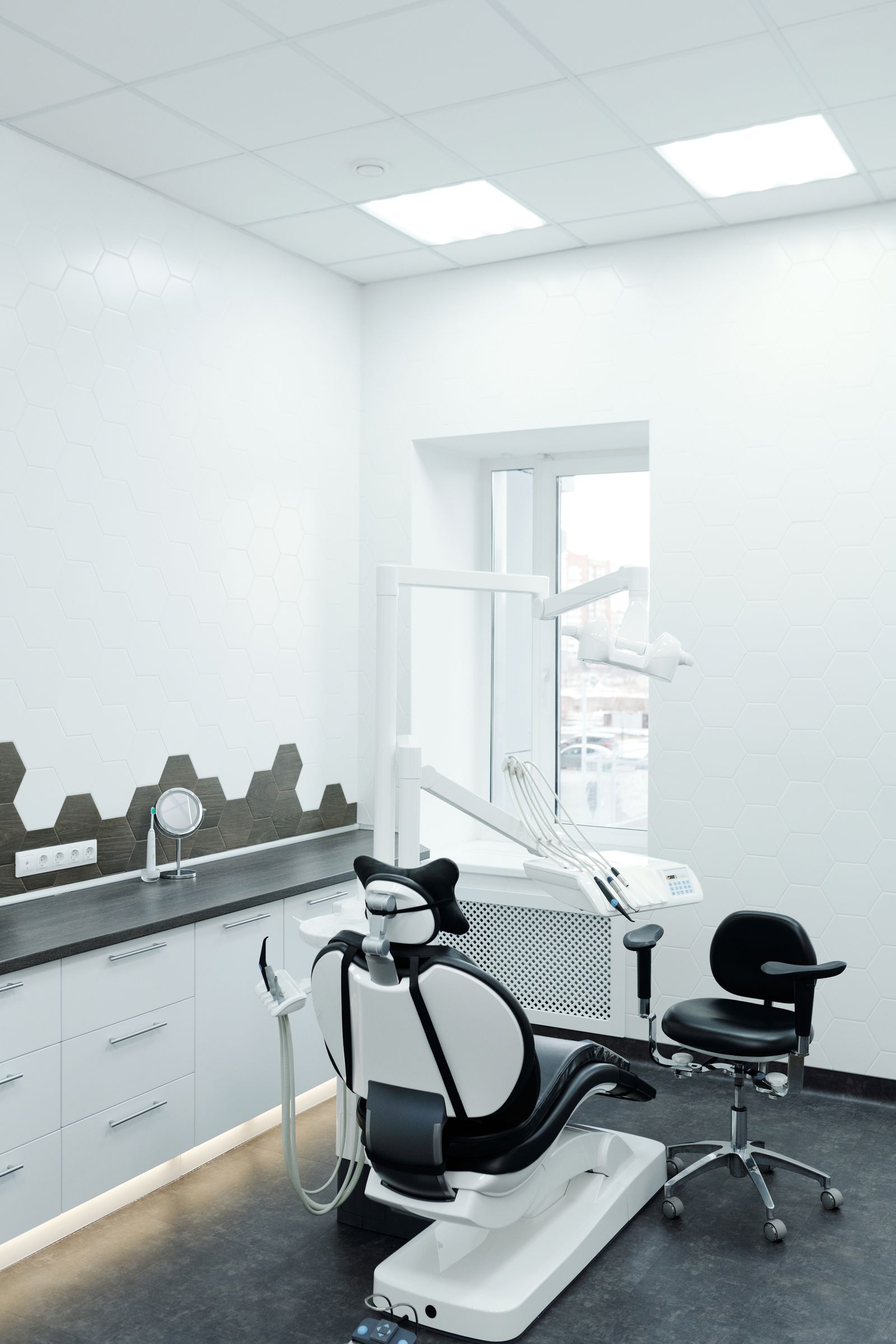
Straight teeth aren't rushed into place. They're moved there, gently, over time.
Orthodontics is a quieter kind of dental care. There's no single dramatic appointment — instead there's a plan, drawn from records at the very start, and a course of small, scheduled adjustments that nudge teeth toward where they should sit. The work is measured in months, and that patience is the whole point.
Most people arrive with something specific in mind — a child whose adult teeth are coming in crowded, a teenager ready for braces, an adult who has lived with a crooked smile long enough. The first visit is always a consultation: a clear look at what could be straightened, the likely approach, and the timeline, before a single decision is made.
What sets the practice apart is its pace. Braces and aligners both work the same way — steady, light pressure, applied over time — and there's no shortcut around it. So the office is built for the long game: unhurried adjustments, clear explanations, and a retainer at the end to hold a result that took months to earn.