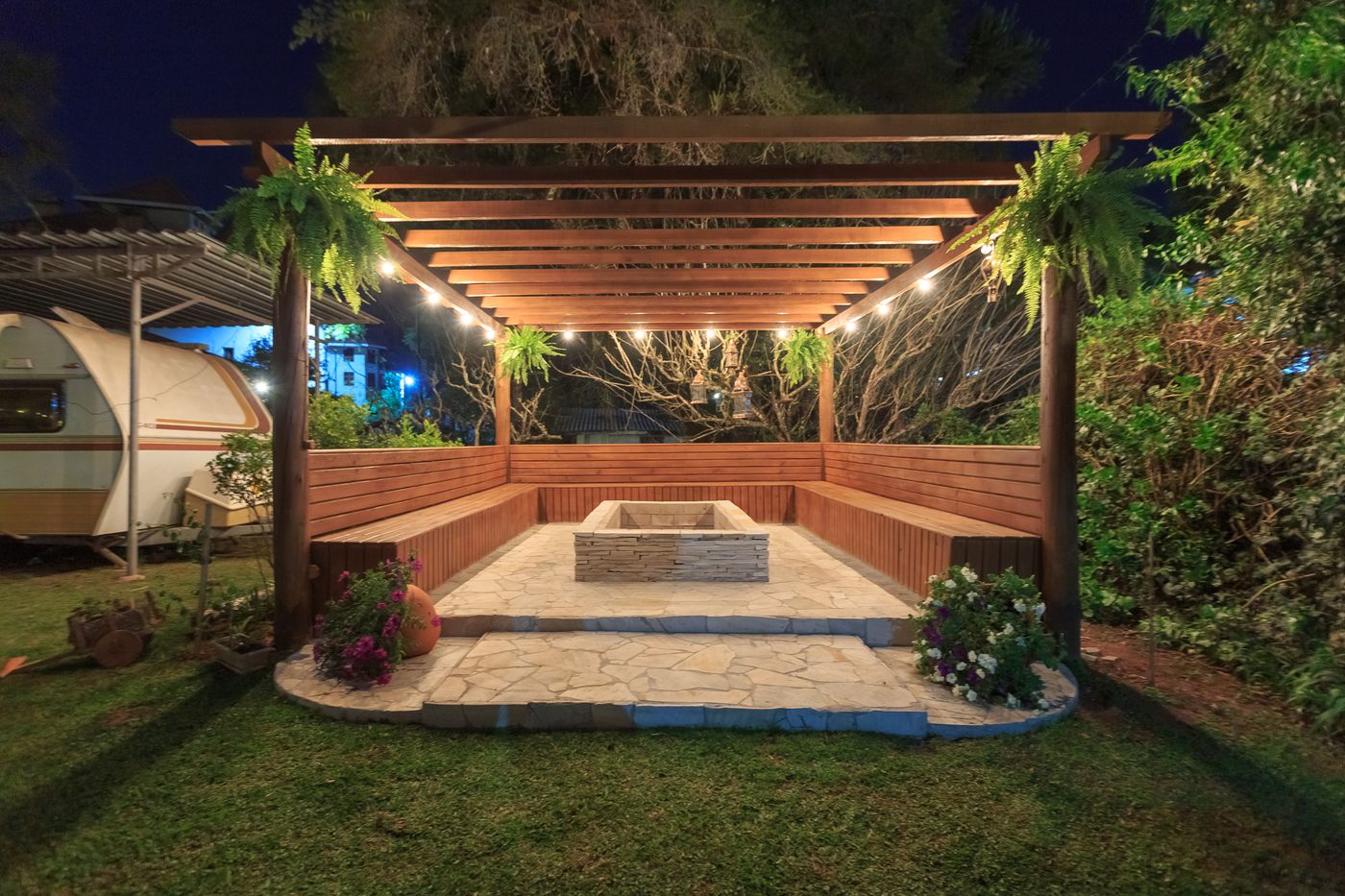
A good cover is a roof drawn over the part of the home that has no roof — and it turns a deck you avoid into the one you live on.
Around the Fraser Valley, a bare patio is a half-the-year patio. Through October to April it sits under the rain, unused; through the July heat it bakes empty in the sun. The difference between a deck nobody touches and the one the whole family ends up on isn't the deck — it's whether anything is built over it.
Mr. Cover All builds that. The parts nobody sees — the depth of the footing, the anchor at the post base, the beams levelled and the cover pitched before a single panel goes on — are where the years are won or lost. Get those right and the patio underneath gets used in every season.
“If the posts and pitch are right, the cover does the rest.”
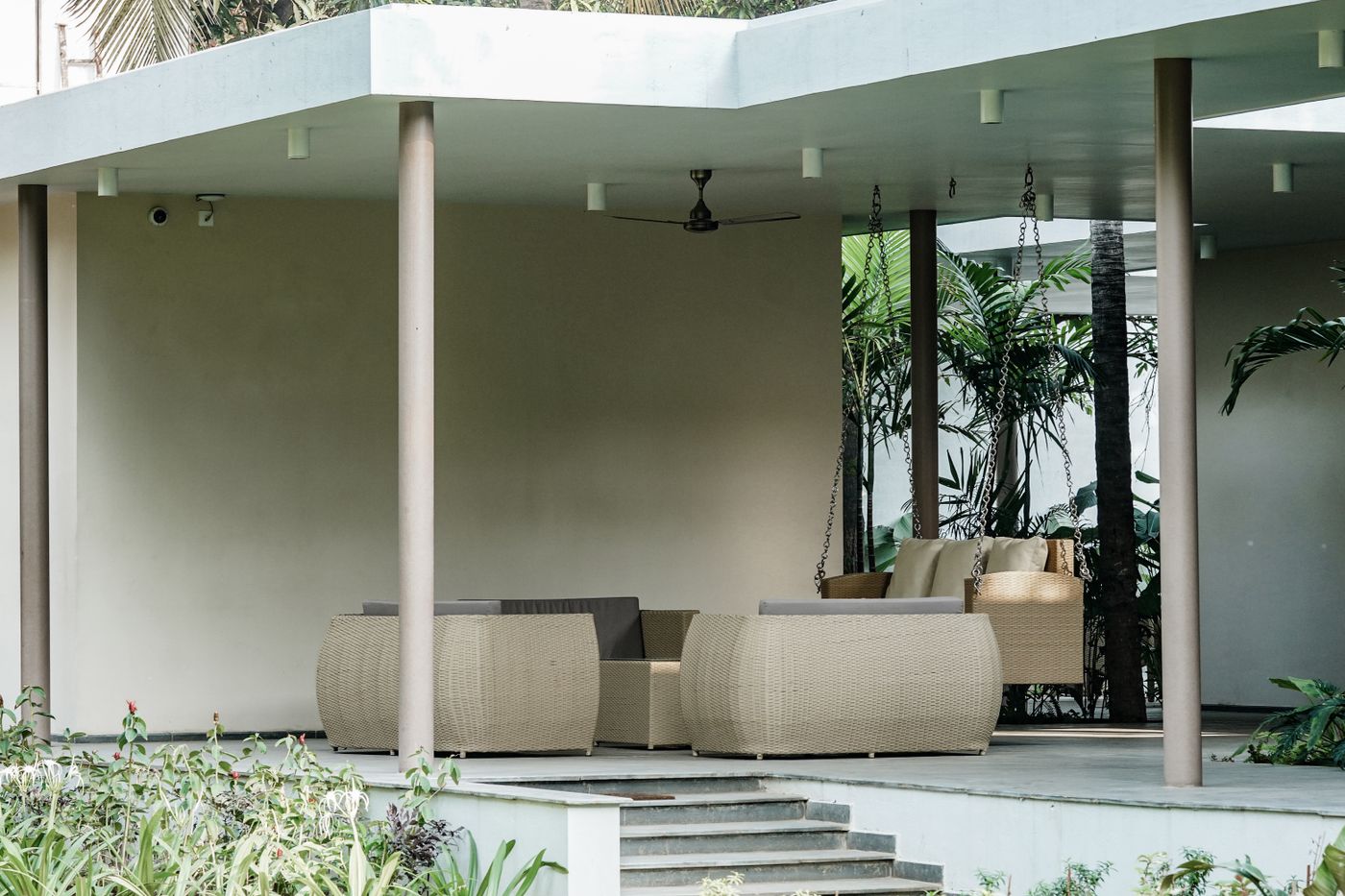
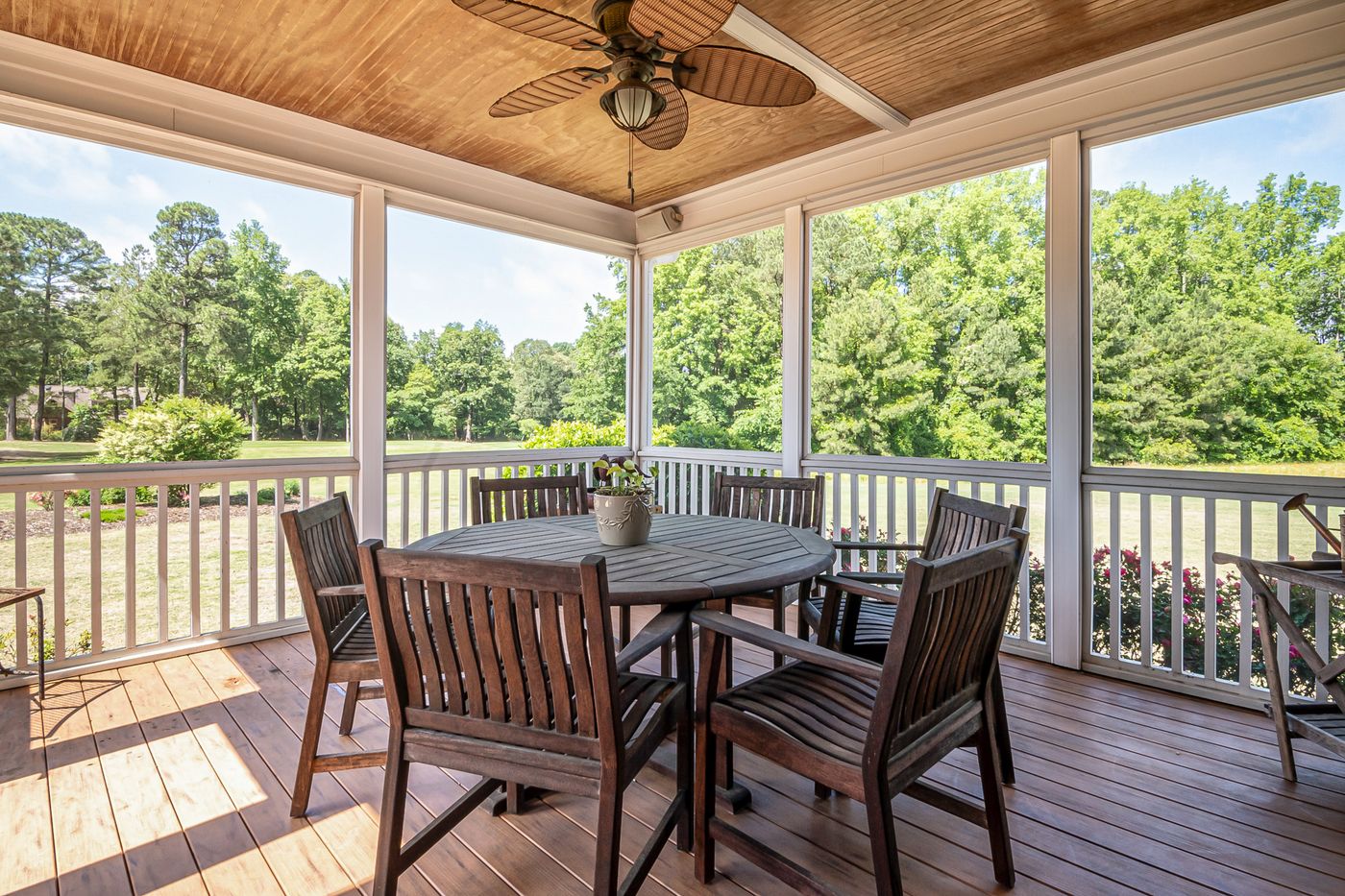
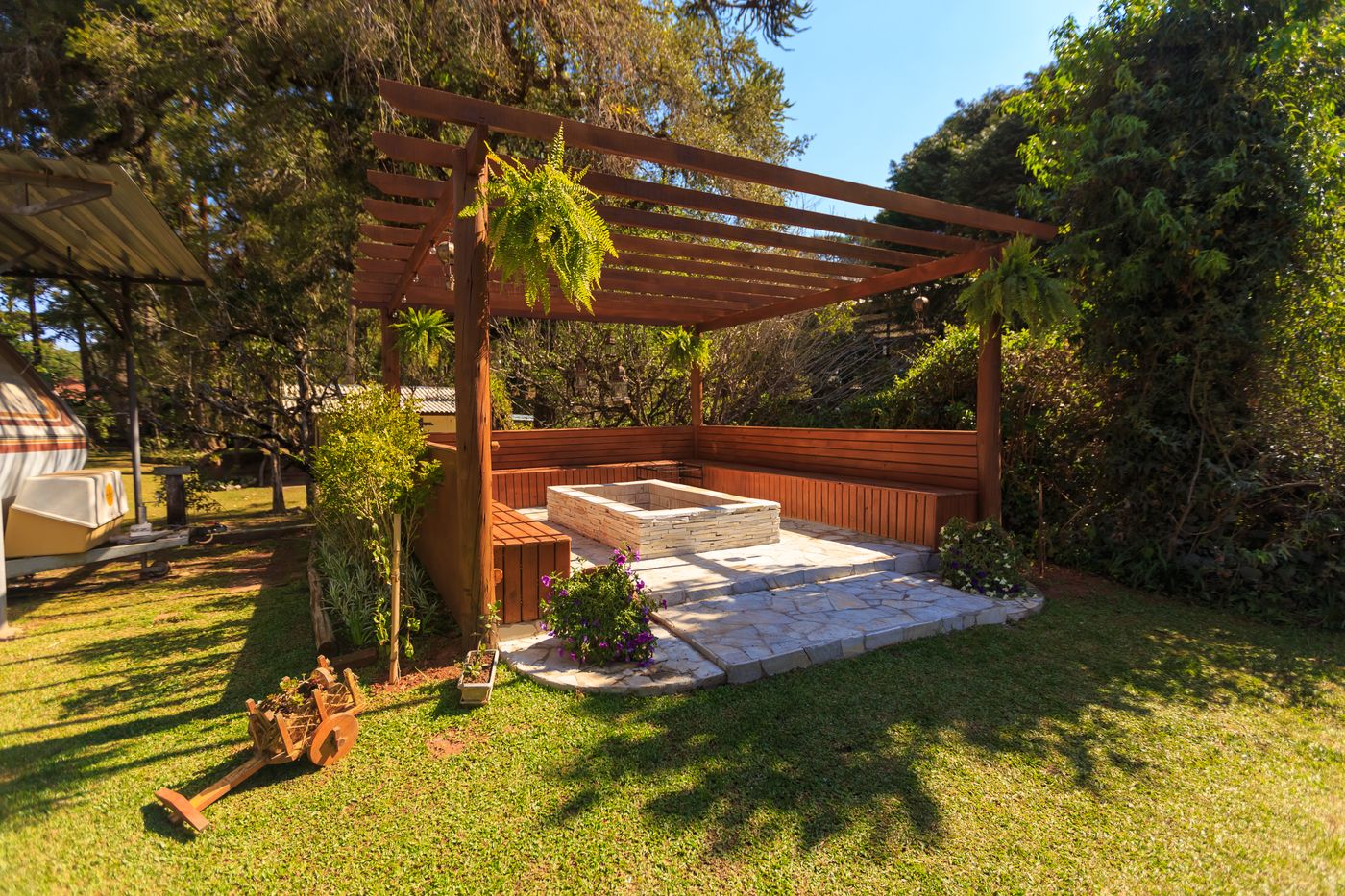
Whether it's a solid insulated cover that keeps the rain off, an open cedar pergola that throws a striped shade, or a retractable awning you pull out for the afternoon and tuck away by evening — the goal is the same: an outdoor room that works with the Fraser Valley weather instead of surrendering to it. Built right, a patio cover outlasts the people who put it up — and a covered patio becomes the place the backyard actually gets used.
Measure & design
Walk the space, take the spans, and match the cover to the roofline of the house. The fit decides everything that follows.
Set the posts
Footings dug, posts plumbed and anchored so the structure carries the load and stands straight through the seasons.
Beams & ledger
The ledger fixed to the wall, beams levelled post to post — the bones of the cover, squared before a panel goes up.
Cover, pitch & awning
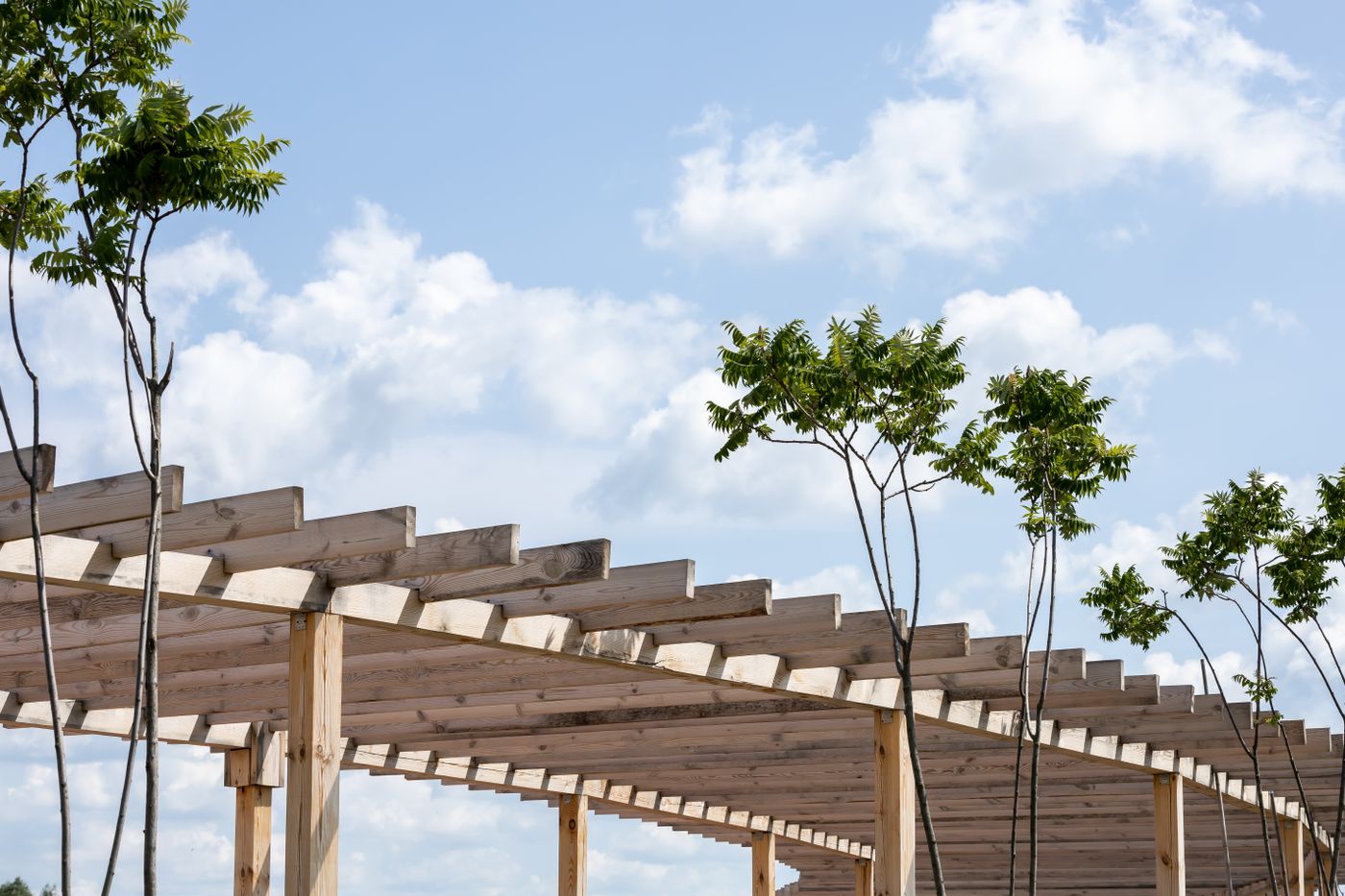
Roof panels or awning fabric set with the right pitch to shed the rain; pergola beams spaced even to throw the shade.
Flash & clean
Flashing, gutters where they're needed, and the site swept clean before we leave. A finished cover, not a half-finished one.
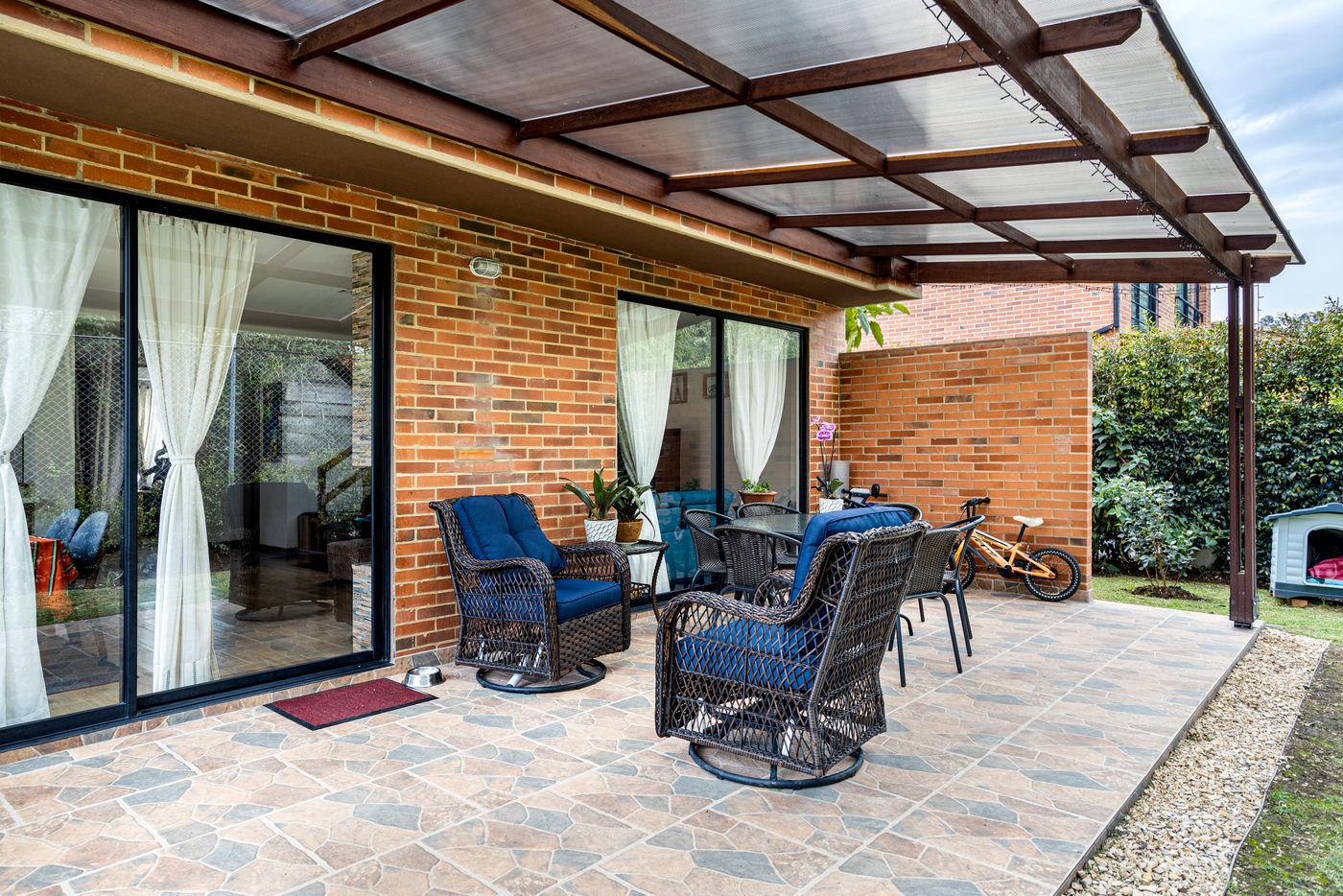
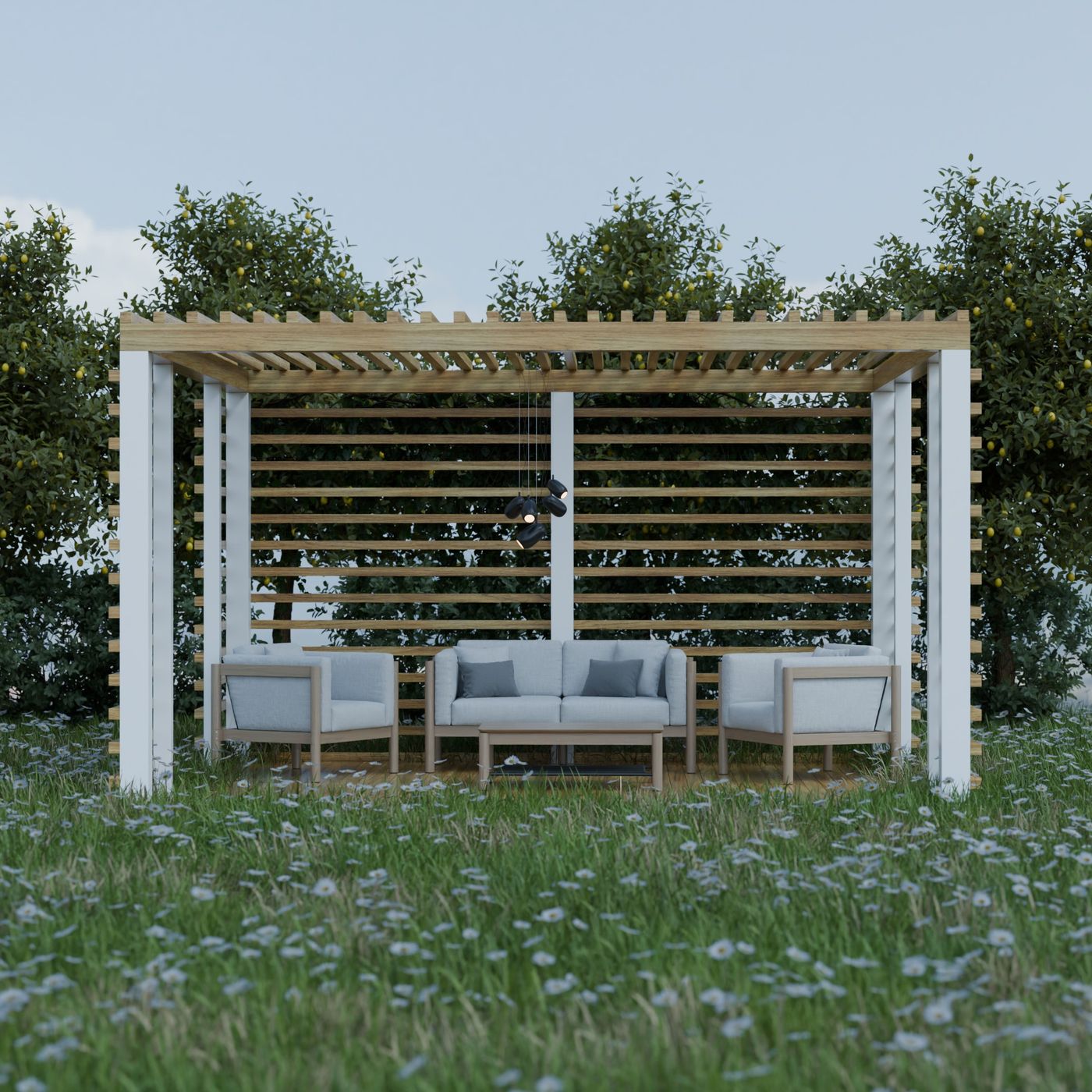
All stock placeholders — the real crew would supply its own jobsite photography before launch.